


The evolution of casinos A journey through time and culture
The Ancient Roots of Gambling
The origins of gambling can be traced back to ancient civilizations, where games of chance were often tied to religious practices and social rituals. Archaeological findings suggest that the earliest dice, made from animal bones, date back to around 3000 BC in Mesopotamia. These primitive games laid the foundation for the cultural significance of gambling as a means of not just entertainment but also decision-making and fortune-telling in societies like the Egyptians and Greeks. In these cultures, gambling was intertwined with mythology, enhancing its mystique and importance. As you explore these rich histories, consider checking out lizaro casino, which embodies modern gaming evolution.
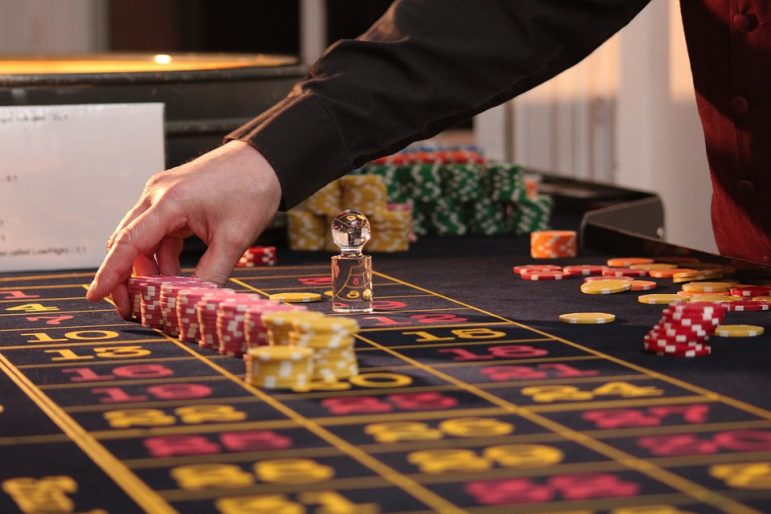
The Romans, known for their grand games and public entertainment, embraced gambling as a popular pastime. They introduced various betting games, often played at festivals and gatherings, where wagers were placed on gladiatorial contests and chariot races. This evolution showcased a societal shift where gambling became a major source of public amusement and leisure. As the Roman Empire expanded, so too did the concept of gaming, influencing neighboring regions and contributing to the widespread acceptance of gambling in different cultures.
In Eastern cultures, gambling also held a significant place, particularly in China. The development of games like Keno and various lottery forms evidenced an early understanding of luck and chance. These games were often associated with social gatherings and celebrations, revealing how gambling transcended mere competition. Overall, the historical context of gambling illustrates its deep cultural roots, reflecting human fascination with chance and fate throughout history.
The Rise of Formal Casinos
The transition from informal gaming to organized casinos began in the 17th century with the establishment of the first official gambling houses in Italy. The Casino di Venezia, founded in 1638, represents one of the earliest examples of a dedicated venue for gambling, setting a precedent that would be replicated throughout Europe. These establishments provided a structured environment for gaming, integrating various games of chance and elevating gambling to a social activity, where the elite could mingle and enjoy luxurious surroundings.
During the 18th century, casinos flourished in cities like Paris and Baden-Baden, becoming symbols of wealth and sophistication. The games of chance evolved further, with the introduction of roulette and baccarat, attracting high-stakes players. These venues were often adorned with opulent decor, offering not only gambling but also fine dining and entertainment, positioning themselves as luxurious retreats for the affluent. This period marked a significant shift, where casinos became associated with high society and glamour.
As the 19th century rolled around, the modern concept of the casino began to take shape. Las Vegas, which would later become synonymous with gambling, laid its groundwork during this era. The influence of the Industrial Revolution saw the rise of the middle class, leading to increased accessibility to gambling. This paved the way for the establishment of casinos in the Americas, culminating in the lavish resorts we see today. The evolution of casinos reflects changing social dynamics, integrating entertainment, luxury, and a sense of community around games of chance.
The Impact of Technology on Casinos
The advent of technology has revolutionized the casino industry, dramatically changing how people engage with games of chance. The introduction of electronic gaming machines in the 20th century marked a significant milestone, offering players a new, exciting way to gamble. Slot machines, often adorned with vibrant graphics and engaging themes, became a staple in casinos, attracting a broader demographic. This shift highlighted a growing trend towards self-service gaming, making the casino experience more accessible and appealing.
As the digital age progressed, online casinos emerged, reshaping the gambling landscape. The first online casino launched in 1994, allowing players to engage in their favorite games from the comfort of their homes. This technological advancement not only expanded the market but also introduced a wave of innovative gaming options, including live dealer games that simulate the experience of being in a physical casino. The convenience of online platforms has since made gambling more accessible, appealing to a global audience.
Mobile technology further transformed the industry, enabling players to gamble on the go. Mobile casinos offer a range of games, from slots to table games, allowing users to enjoy their favorite activities anytime and anywhere. This evolution underscores the importance of adapting to consumer behavior, reflecting a cultural shift towards convenience and technology. As we continue to embrace new innovations, the future of casinos is likely to be shaped by ongoing technological advancements, enhancing user experiences and engaging new generations of gamblers.
The Cultural Significance of Casinos Today
Casinos have transcended their initial purpose of merely providing gaming experiences; they have become cultural landmarks and tourist attractions. In cities like Las Vegas and Macau, casinos play a pivotal role in shaping the local economy and tourism landscape. These establishments are often characterized by extravagant architecture and themed environments, turning gambling into a multi-faceted entertainment experience that encompasses shows, dining, and nightlife.
The cultural significance of casinos extends beyond entertainment. They often serve as meeting points for various social gatherings, fostering connections among individuals from diverse backgrounds. Many casinos host events and tournaments that celebrate local cultures, highlighting the intermingling of gambling and community. This cultural aspect emphasizes the role of casinos as venues that not only entertain but also build social bonds and contribute to cultural exchange.
Additionally, casinos have sparked a broader discussion around responsible gambling and the implications of gaming on society. With growing awareness of gambling addiction and its effects, many establishments have implemented initiatives to promote responsible gambling practices. This cultural shift reflects a deeper understanding of the societal responsibilities of casinos, aiming to strike a balance between providing entertainment and ensuring the well-being of their patrons.

Exploring Modern Gaming Platforms
Modern gaming platforms like Lizaro Casino represent the latest evolution in the casino experience, combining traditional gaming elements with cutting-edge technology. Established in 2025, Lizaro Casino offers an extensive library of over 10,000 titles, including slots, live dealer games, and sports betting options. This diversity ensures that players of all preferences can find an engaging gaming experience tailored to their interests. The platform’s emphasis on security, utilizing SSL/TLS encryption, ensures a safe environment for users, enhancing trust and reliability.
New players at Lizaro Casino are welcomed with generous bonuses, including a 250% welcome bonus and 350 free spins, allowing them to explore the vast array of games available. This strategy not only attracts new users but also encourages them to engage with the platform more deeply. Additionally, the site offers 24/7 customer support and various payment options, creating a seamless user experience that emphasizes convenience and satisfaction.
As online casinos continue to innovate, platforms like Lizaro Casino are setting the standard for what players can expect in terms of game variety, security, and user experience. By embracing technology and prioritizing customer needs, these modern casinos are at the forefront of the industry, reflecting the ongoing evolution of gambling in contemporary society. As we look to the future, the journey of casinos through time and culture remains a fascinating narrative of adaptation and transformation.